FREQUENTLY ASKED QUESTIONS

WHAT DOES “CAGE-FREE” ACTUALLY MEAN?
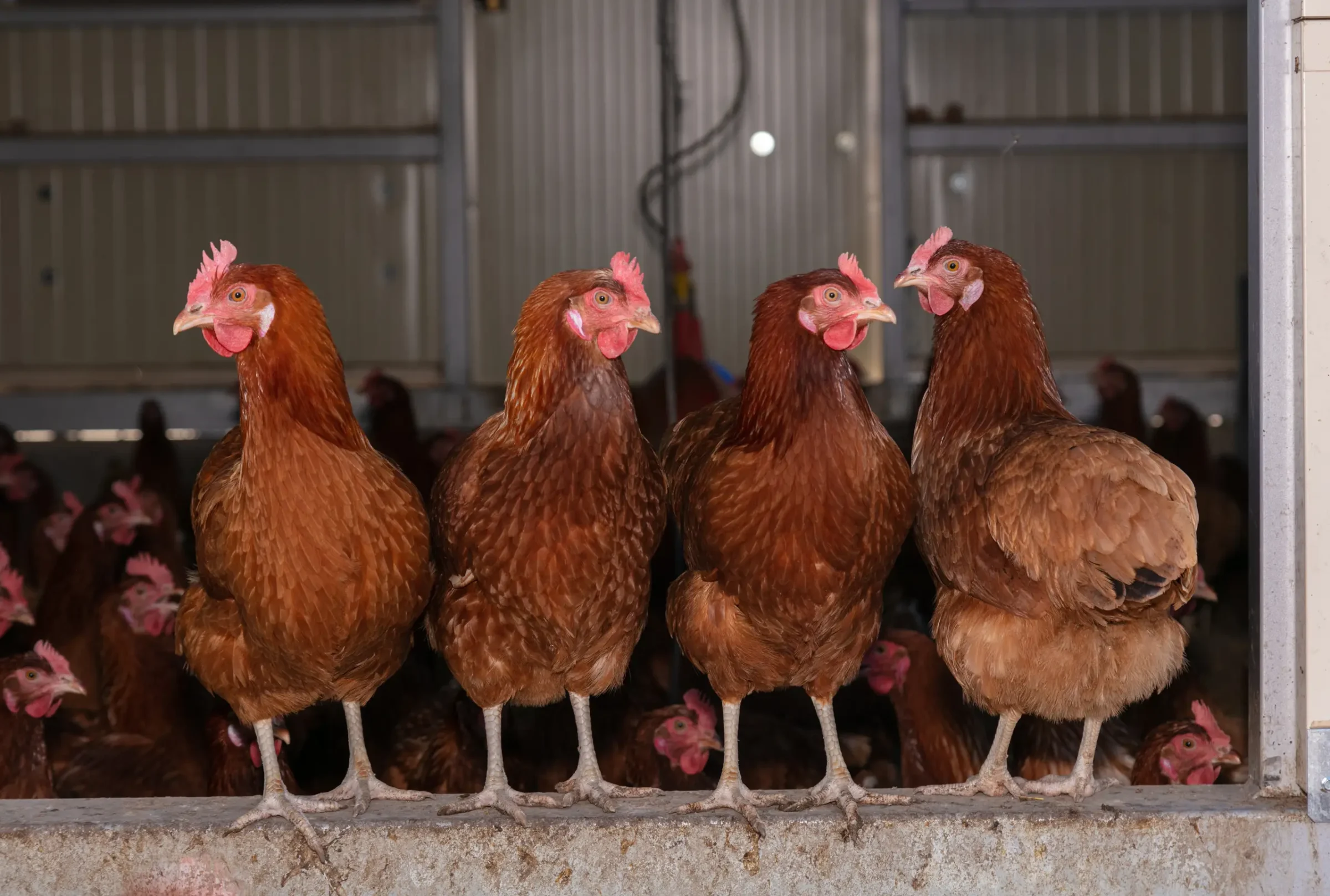
“Cage-free” refers to laying systems where hens are not confined in wire cages. Unlike conventional “battery” cages or so-called enriched cages, cage-free facilities allow hens to walk, spread their wings, lay eggs in nesting boxes, and engage in other natural behaviors vital to their well-being.
While cage-free does not mean cruelty-free, it is a significant step up from the extreme confinement of cage systems.

WHY ARE CAGES A PROBLEM?
In cage systems, hens are typically confined to spaces so small that they can’t even stretch their wings. They’re often packed five to 10 birds per cage, and each bird’s floor space is smaller than an A4 sheet of paper. These conditions lead to chronic pain, feather loss, bone fractures, and severe psychological distress.
Cages are not just outdated—they are inherently cruel.

DO CAGE-FREE SYSTEMS REALLY IMPROVE ANIMAL WELFARE?
Yes. While not perfect, cage-free systems are a clear improvement over cage conditions. Hens in cage-free environments have more space to move; access to perches, nest boxes, and litter for dustbathing; and lower incidence of extreme injury and stress.
That said, cage-free must be combined with other welfare standards, such as regarding breed choice, stocking density, and lighting, to ensure meaningful protection.

WHAT DOES SCIENCE SAY ABOUT CAGES?
Animal welfare scientists overwhelmingly agree that cages fail to meet the basic behavioral needs of hens. Studies show that hens value freedom of movement and access to nesting areas as much as they value food.
International bodies like the World Organisation for Animal Health recommend phasing out cages, and the European Food Safety Authority supports the end of cage farming.
Research shows that cage-free aviaries are clearly superior to conventional and “enriched” cages. Cage-free housing systems significantly reduce the amount of time hens spend in pain compared with conventional cages, according to the Welfare Footprint Project.

WHICH COUNTRIES OR REGIONS HAVE BANNED CAGES?
The movement to ban cages for laying hens has seen significant progress globally.
Switzerland was a pioneer, becoming the first country to ban battery cages in the 1990s. The European Union followed suit by banning conventional battery cages in 2012, although it still permits “enriched” cages. Looking to phase out all cages, Austria, Luxembourg, and Germany have passed relevant legislation. Sweden being the first country to be completely cage-free without a legal ban. Several U.S. states, including California and Massachusetts, have restricted the production and sale of eggs from caged hens.
Momentum continues to build, with the EU currently reviewing a potential full ban on cage farming as part of its “End the Cage Age” commitment.

ARE COMPANIES MAKING THE SWITCH?
Yes, hundreds of companies around the globe have committed to going cage-free, including these:




Many of these companies made commitments after public campaigns and coalition pressure. But some companies are stalling or hiding behind vague language, which is why continued pressure and transparency are essential.

WHAT CAN I DO TO HELP?

Support cage-free campaigns by signing petitions and contacting companies. You can join the Power to the Peeps community right now and take powerful actions for animals!

Choose foods that don’t involve animal cruelty.

Spread the word: Most people still don’t know what cages really mean.

Donate to support the campaigns pushing the biggest companies to act.
Every action helps. Every voice matters. And together, we can end the era of cages.